Immediate Same-Day Care Available
When a dental injury happens, quick care can make the difference between saving and losing a tooth. Traumatic dental injuries require immediate attention from skilled professionals who understand how to preserve your natural teeth and relieve pain. At Burien Endodontics, we offer specialized emergency dental care to patients experiencing dental trauma throughout Burien, Kent, Federal Way, SeaTac, and Normandy Park.
Led by Dr. Matthew P. Tomala, our practice combines advanced technology with patient-centered care to effectively treat even the most complex dental trauma cases. We utilize state-of-the-art CBCT imaging, dental operating microscopes, and laser therapy for precise diagnosis and effective treatment of traumatic dental injuries, regardless of their complexity. No referral is required contact us directly for same-day emergency care.
Dental trauma can occur in many ways, from sports accidents to unexpected falls. A chipped tooth may seem minor, but it can sometimes indicate deeper damage to the tooth's structure. Fractured teeth often expose sensitive inner layers, causing severe pain and requiring immediate treatment to prevent infection and further damage.
More serious injuries include knocked-out (avulsed) teeth, which constitute a true dental emergency. When a tooth is completely displaced from its socket, time becomes crucial. The chances of successful reimplantation decrease significantly after 30 minutes.
Cracks and fractures can vary in severity. Minor chips may require only a small restoration, while deep fractures that reach the pulp of the tooth may need root canal therapy to prevent infection and pain.
A tooth that has been pushed out of place due to trauma may need to be repositioned and stabilized. In some cases, root canal treatment is necessary to ensure long-term healing and prevent complications.
A tooth that has been completely knocked out requires urgent care. If possible, place the tooth back in its socket or store it in milk and seek immediate treatment. Endodontic intervention can increase the chances of successfully saving the tooth.
Injuries below the gumline can cause root fractures, which may not be visible without CBCT imaging. Some fractures may heal with stabilization, while others may require root canal therapy or surgical intervention.
In some cases, trauma can trigger root resorption, where the body begins breaking down the root structure. Early diagnosis and treatment are essential to preserve the affected tooth.
Athletic activities account for a significant percentage of dental injuries, particularly among children and young adults. Contact sports pose the highest risk, but even non-contact activities can result in unexpected dental trauma. Custom sports mouth guards offer the best protection against dental injuries during athletic activities.
When a permanent tooth gets knocked out, proper emergency handling significantly improves the chances of successful reimplantation. Handle the tooth only by the crown never the root. If clean, the tooth can be gently placed back in its socket, but never force it. If reimplantation is not possible immediately, store the tooth in milk, saliva, or a tooth preservation solution while seeking emergency care. Contact Burien Endodontics immediately at (206) 402-5147 for guidance. Our endodontic specialists have the expertise to maximize tooth survival in these critical situations.
Tooth fractures range from minor chips to severe splits extending below the gum line. Even hairline cracks require professional evaluation, as they may indicate internal damage not visible to the naked eye. At Burien Endodontics, we use advanced CBCT 3D scanning and dental operating microscopes to detect and assess even the smallest fractures. Learn more about our cracked tooth treatment options.
Children's teeth present unique challenges when injured. Trauma to primary (baby) teeth can potentially affect the developing permanent teeth beneath them. Our approach to pediatric dental trauma focuses on both immediate care and long-term developmental considerations. Dr. Tomala's gentle approach helps ease children's fears while delivering the necessary treatment.
Many traumatic dental injuries result in damage to the tooth's pulp — the inner tissue containing nerves and blood vessels. When this happens, root canal therapy becomes essential to preserve the tooth and eliminate pain. Signs a traumatized tooth may need root canal treatment include persistent pain, sensitivity to temperature, and discoloration of the tooth.
After the immediate injury is treated, Dr. Tomala will create a long-term monitoring plan. Traumatized teeth can develop complications months or years after the initial injury, including pulp necrosis or root resorption. Regular follow-up imaging allows us to identify and address these issues early. We coordinate closely with your general dentist on any needed post-core restoration as part of your recovery.
Specialized root canal therapy and endodontic treatment delivered with precision and compassion.

Every traumatic injury begins with a thorough localized exam and CBCT scan. Three-dimensional imaging allows us to see the full extent of damage, including root fractures and internal injuries not visible on traditional X-rays. This precise diagnosis determines the most effective treatment path.
For dislodged or mobile teeth, we provide immediate stabilization using a splint to hold the tooth in place while it heals. Appropriate anesthesia is administered to relieve pain, and laser therapy is used to reduce inflammation and support healing.
Not all traumatic injuries require root canal therapy immediately — some can be monitored over time. However, if the pulp has been damaged or has died as a result of the injury, root canal treatment is necessary to prevent infection and preserve the tooth.
Traumatized teeth require regular monitoring over weeks, months, and sometimes years after the initial injury. We schedule follow-up appointments to track healing and watch for any developing complications, including root resorption or delayed pulp death.
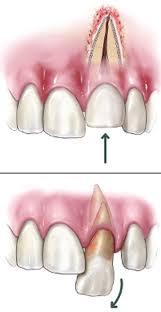
Traumatic dental injuries comprise a wide range of conditions that result from an impact or force on the teeth, tissue, or surrounding structures of the mouth. According to a compilation of global studies, nearly one billion people worldwide have experienced a traumatic dental injury in their lives. Traumatic dental injuries vary in severity and can include the following:
Traumatic injuries can have a long-term impact on dental health if not treated quickly. This is why diagnosis and treatment by an experienced endodontist are essential in preserving natural teeth and protecting oral health.
Proper diagnosis of a traumatic dental injury involves a thorough examination by an endodontist. Endodontists specialize in the tooth and its root system, making them especially skilled in handling traumatic dental injuries. This process typically includes an examination, imaging, pulp testing, and a detailed patient history.
During your examination, your endodontist will evaluate the affected tooth and check for fractures, movement, displacement, and if there are any soft tissue injuries or signs of infection. CBCT scans and digital radiography will play a crucial role in creating a detailed picture of the tooth and the surrounding bone structure. Your endodontist will also perform a series of pulp tests to determine whether the innermost tissue of the tooth is still healthy and viable or if it has suffered irreparable damage.
Using all of this information, your endodontist will discuss your treatment options to ensure the best possible outcome for your injured tooth.
Treatment for traumatic dental injuries varies based on the type and severity of your injury. Some common treatment options may include:
If you experience a traumatic dental injury, please contact us as soon as possible to get the quick and effective treatment you need to protect your oral health.
When a dental injury happens, acting fast can make all the difference. At Burien Endodontics, we specialize in diagnosing and treating traumatic dental injuries with precision and care. Our advanced imaging technology and expertise in root canal therapy, surgical intervention, and tooth stabilization allow us to provide the best possible outcome for your natural teeth. Whether you've experienced a chipped, cracked, or displaced tooth, we're here to help you heal and restore function as quickly as possible.
If you've suffered a dental injury, contact us today to schedule an evaluation. Call (253) 465-4557 or request an appointment through our contact form.
Dr. Tomala's specialized training in endodontics and dental trauma, combined with our advanced diagnostic technology, means that patients receive the most precise, evidence-based care available. We follow updated guidelines for traumatic dental injury management and apply the same level of expertise to every case — whether it is a minor chip or a completely avulsed tooth.
We serve patients from Burien, Kent, Federal Way, SeaTac, Normandy Park, Tukwila, Renton, and throughout King County. Same-day emergency appointments are available, and no referral is required.
If you or someone you know has suffered a dental injury in Burien, Kent, Federal Way, SeaTac, or Normandy Park, do not wait. Contact Burien Endodontics immediately for same-day emergency care. Dr. Tomala and our team are ready to provide the fast, precise treatment needed to save your natural tooth.