
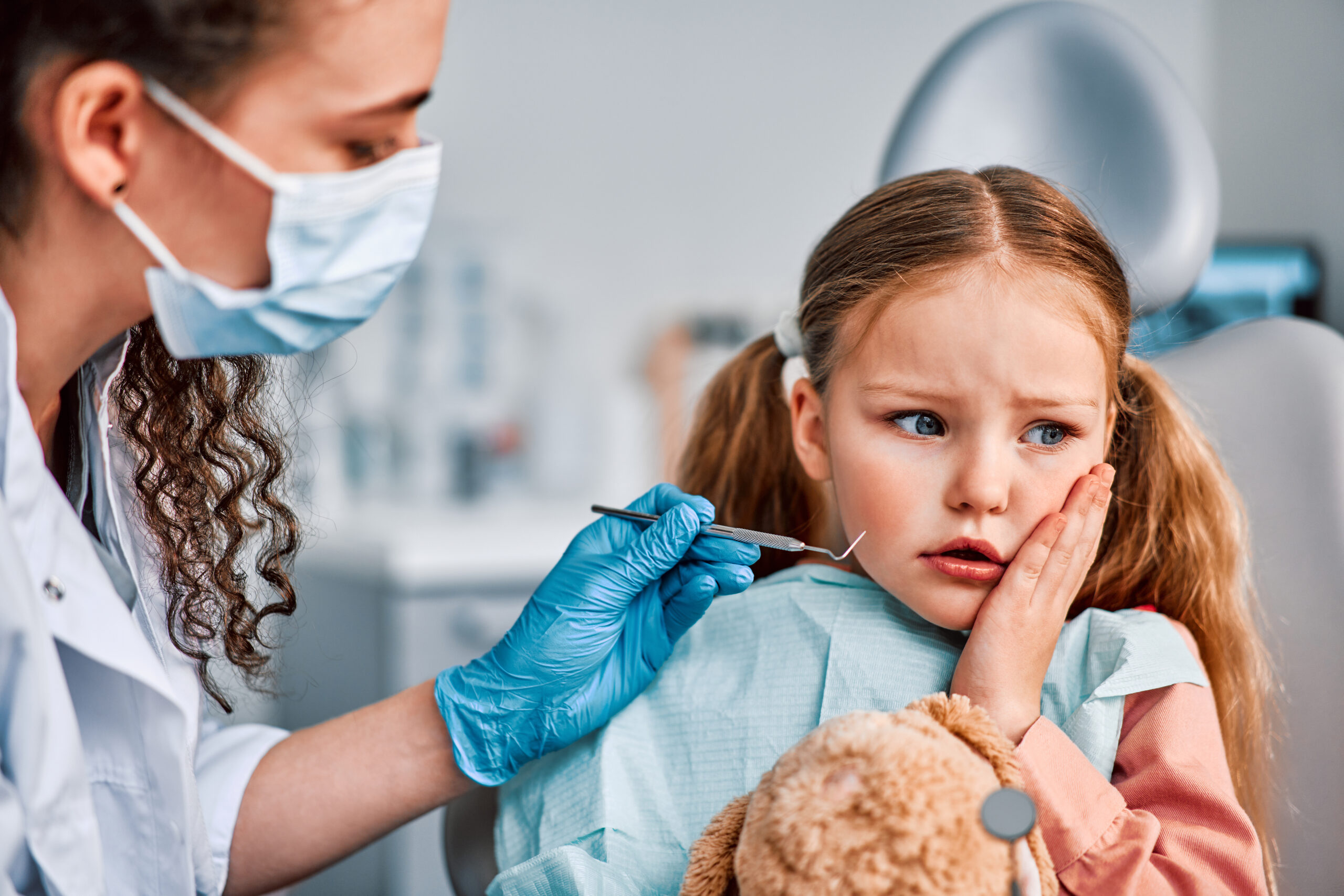
A fall off a bike, a collision on the playground, or a stray elbow during a game can turn an ordinary afternoon into a dental emergency. When a child knocks out or damages a tooth, the first few minutes matter. Knowing what to do, and what to avoid, can make a real difference in whether a tooth can be saved and how comfortable your child feels while it heals.
At Burien Endodontics, we see children and their families after exactly this kind of accident, when a tooth has been knocked loose, pushed out of place, or cracked from impact. We focus specifically on the health of the tooth’s inner structures, the pulp and root, so our care picks up where first aid and a quick call to your family dentist leave off. If your child has experienced a dental injury, our page on treatment for traumatic dental injuries walks through the types of trauma we see most often and how we approach each one.
Immediate Steps After a Tooth Injury
The moments right after an injury call for a calm, quick response. If a permanent tooth has been knocked out completely, try to find it and pick it up by the crown, the white part, rather than the root. Rinse it gently with water if it is dirty, without scrubbing, and try to place it back in the socket if your child can tolerate it. If that is not possible, keep the tooth moist in a cup of milk or saliva and head straight to a dentist, because a tooth outside its socket starts losing its chance of reattaching with every passing minute.
If a tooth is cracked, chipped, or pushed out of alignment rather than fully knocked out, rinse your child’s mouth with warm water and apply a cold compress to the cheek to reduce swelling. Save any broken pieces if you can find them. A tooth that looks only slightly moved can still have injury to the nerve inside it, so it is worth having it checked even if your child says it does not hurt, a step supported by international guidelines for managing dental injuries in children endorsed by pediatric dental organizations.
What We Do During an Emergency Visit
When you bring your child in after an injury as part of our emergency endodontic care, our first priority is figuring out exactly what happened to the tooth and the structures around it. We keep 100% digital patient records and take diagnostic images along with a CBCT scan when needed, which lets us see the tooth’s root and surrounding bone in detail that a standard X-ray cannot capture. This gives us a clear picture of whether the pulp, the nerve and blood supply inside the tooth, has been affected.
We walk you and your child through what we find, including our approach to pain diagnosis and management, and what to expect at each step of care. In some trauma cases, early use of lasers for disinfection and to reduce inflammation can help calm the injured tooth enough that root canal therapy is not needed right away, or at all, and we will let you know if that approach fits your child’s situation.
Treatment Options for an Injured Tooth
The right next step depends on how severe the injury is and whether the pulp has been damaged. Some injured teeth only need monitoring over the following weeks to make sure the nerve stays healthy. Depending on what we find, treatment for a child’s injured tooth can include:
- Direct or indirect pulp capping to protect an exposed nerve
- Non-surgical root canal therapy to remove damaged tissue inside the tooth
- Retreatment of a root canal that shows signs of ongoing problems
- Assessment of root cracks, fractures, or resorption to track how the tooth is healing
We choose the option that gives your child’s natural tooth the best chance to stay in place and function normally, and we discuss the options with you before moving forward with care.
Why Prompt Care Protects Your Child’s Natural Teeth
Children’s teeth, especially those with roots that have not finished forming, respond differently to injury than adult teeth do. The sooner a damaged or knocked-out tooth is evaluated, the better the chances of keeping it healthy for the years ahead. Waiting even a day or two can change what treatment options are available.
Preserving your child’s natural tooth matters for more than just comfort. A tooth that stays in place supports the surrounding bone and keeps the rest of your child’s teeth aligned as they continue to grow. This is why we treat every injury with urgency and follow up closely until we are confident the tooth has stabilized.
Contact Burien Endodontics for Your Child’s Dental Emergency
A knocked-out or damaged tooth in a child can feel overwhelming in the moment, but you do not have to figure out the next step alone. Our team, led by Dr. Matthew Tomala, is here to evaluate the injury quickly, walk you through what we see, and discuss the options that give your child’s tooth the best chance to heal.
We know dental trauma rarely happens on a convenient schedule, and we are ready to help your family through it with care that is professional, efficient, and comforting at every step. If your child has experienced a tooth injury, reach out to Burien Endodontics through our contact form so we can get your child seen and on the path to recovery.