
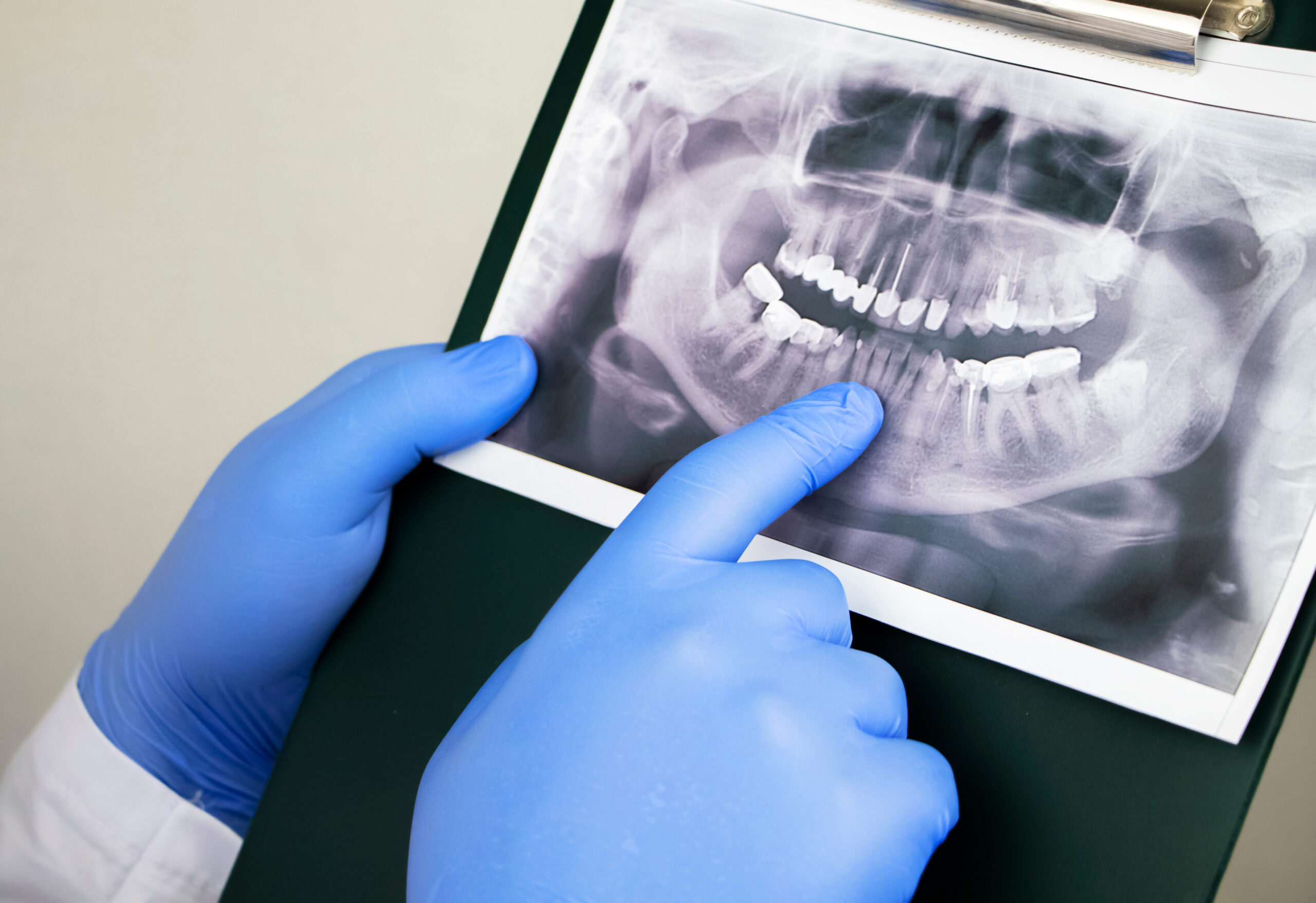
Not every damaged tooth needs to come out. Whether a tooth can be saved through root canal therapy, retreatment, or another restorative approach depends on a specific set of factors, including how much healthy structure remains, where any fracture or decay sits, and how the surrounding bone and gum tissue are holding up. An endodontist weighs each of these factors before recommending extraction, because a tooth that looks hopeless on the surface is sometimes still a strong candidate for restoration.
At Burien Endodontics, tooth restorability assessment is part of every evaluation we perform, whether a patient arrives with sudden trauma, a cracked tooth, or a longstanding infection. Our approach combines clinical examination with advanced imaging, following much of the same restorability framework the American Association of Endodontists outlines for evaluating a tooth’s periodontal, restorative, and endodontic prognosis. We built our practice around focused endodontic treatment, so a borderline tooth gets the same careful review whether it belongs to a longtime patient or a same-day referral.
Understanding Tooth Restorability Assessment
Tooth restorability assessment starts with a close look at the damaged tooth’s structural integrity and biological health, not simply how many teeth a patient has left or how much they want to keep this one. We examine the extent of decay, the pattern of any fracture, and how much healthy tooth structure remains before deciding whether restoration is realistic. The assessment draws on clinical examination, standard radiographs, and, in more ambiguous cases, cone-beam computed tomography (CBCT) scans that provide a three-dimensional view of the root and the surrounding bone.
Why Tooth Anatomy Shapes the Decision
A tooth is built in layers, and the extent of damage to each one changes the restorability picture. Enamel is the hard outer surface, dentin sits beneath it and contains microscopic tubules, and the pulp at the center holds the nerve and blood supply that keep the tooth alive. Minor decay confined to enamel rarely raises a restorability question at all, but damage that reaches the pulp raises it immediately, since that tissue can become infected and force a choice between root canal therapy and extraction. If lingering discomfort is what brought you in, knowing what different types of dental pain can indicate helps you describe your symptoms clearly at your visit and helps us decide which tests to run first.
When bacteria enters the pulp through decay, periodontal disease, or a fracture, it can cause an infection, a process the American Dental Association describes in detail. Our diagnostic process evaluates whether that infection has compromised the tooth beyond repair or whether endodontic treatment can eliminate the bacterial contamination while preserving the natural tooth.
Reading Fracture Location and Severity
The location and severity of a fracture play a central role in restorability decisions. Vertical root fractures, which run along the length of the root, generally carry a poor prognosis because they are difficult to seal and tend to let bacteria back in over time. Horizontal fractures above the bone level, by contrast, may still allow for successful restoration, since the remaining root structure and bone support often stay largely intact. We analyze these fracture patterns with imaging suited to the case rather than making the call from a single X-ray.
Diagnostic Tools Used to Confirm Restorability
Beyond a visual exam, several clinical tests help confirm whether a tooth is a realistic candidate for restoration. Percussion and palpation testing check whether the tooth and surrounding bone are sensitive to pressure, which can point to an active infection or a fracture that has not fully revealed itself. Mobility testing and periodontal probing assess how much bone support remains around the root, since a tooth with sound structure above the gumline can still be a poor candidate if the bone beneath it has broken down.
Advanced imaging fills in what a clinical exam alone cannot show. Our advanced endodontic technology includes CBCT, which gives a three-dimensional view of the root, the surrounding bone, and any hidden canals or fractures that a flat X-ray would miss. For a closer look at how this imaging changes a diagnosis, our post on how CBCT scans help diagnose root canal problems walks through what the scan reveals. A 2025 study on tooth restorability decision-making found that assessments can vary meaningfully between dental students, interns, and general practitioners, which is part of why a focused specialist evaluation matters for a tooth that falls into a gray area.
In practice, a CBCT scan lets us confirm several things before recommending a treatment path:
- Fracture extent: the true direction and depth of a root fracture, not just what shows on a flat X-ray
- Hidden canals: extra canals or root anatomy that standard imaging often misses
- Bone support: how much bone loss has occurred around the root
- Infection spread: whether an infection has moved beyond the tooth itself
That level of detail is often the difference between a confident recommendation to restore a tooth and a confident recommendation to extract it.
Factors That Influence Restoration Success
Several key factors determine whether a tooth can be restored and maintained successfully over the long term. The amount of healthy tooth structure remaining above the gumline affects the restoration’s stability, since teeth with adequate coronal structure can typically support a crown or other restoration more predictably than teeth reduced to a shell.
Root structure integrity matters just as much. We evaluate root length, thickness, and any signs of cracked teeth that might compromise the tooth’s foundation, along with whether adequate bone support surrounds the root.
Your overall oral health and commitment to ongoing hygiene also affect restoration outcomes. Patients with well-managed periodontal health tend to see better long-term results from a restored tooth, and we factor in bite patterns and habits such as teeth grinding when discussing long-term prospects.
Your broader health history factors into this conversation too. Conditions that slow healing or affect bone density can influence how well a restored tooth holds up over time, which is why we ask about your medical history as part of every evaluation, not just your dental one.
Treatment Options for a Restorable Tooth
When assessment indicates favorable restorability, several treatment options may preserve your natural tooth. Root canal therapy addresses infected or inflamed pulp tissue while maintaining the tooth’s structural integrity, removing damaged tissue and sealing the canals to help prevent reinfection.
For teeth that need additional support after endodontic treatment, endodontic retreatment may be appropriate if the initial therapy did not fully resolve the problem. Some cases call for apicoectomy surgery when non-surgical retreatment is not suitable or sufficient on its own.
Direct and indirect pulp capping procedures can preserve tooth vitality when damage has not yet fully reached the pulp. These conservative treatments aim to maintain the natural tooth’s nerve and blood supply where possible, and our digital patient records let us track how a treatment plan is progressing over time.
When a Tooth May Need to Be Extracted
Despite advances in endodontic care, some teeth cannot be saved through restoration. Extensive root fractures below the bone level typically point to a poor long-term prognosis, and teeth with insufficient remaining structure to support a restoration may need to be extracted instead.
Severe periodontal bone loss around the tooth roots can compromise restorability even when the visible tooth structure looks sound. Advanced decay extending below the gumline and into the root surface can also prevent successful restoration. In these cases, we discuss extraction and the replacement options that follow it.
Our assessment includes honest, direct communication about realistic expectations for tooth preservation. When extraction becomes the recommended path, we walk patients through replacement options to help maintain proper function and reduce the complications that can come from a missing tooth.
Why a Specialist Evaluation Matters
Determining tooth restorability calls for focused diagnostic capability and endodontic training to weigh all of the relevant factors accurately. At Burien Endodontics, our practice is limited to endodontic care, and that focus shapes how we approach every restorability assessment, from the first clinical exam to the imaging that follows it.
If you are dealing with a damaged, cracked, or previously treated tooth and you are not sure whether it can be saved, an evaluation gives you a clear, direct answer instead of a guess. Contact us to schedule your assessment and find out what your options actually are.
Frequently Asked Questions About Assessing Tooth Restorability
Can a tooth with a large cavity or crack still be saved?
Often, yes. What matters more than the size of the damage is where it is located and how much healthy structure remains around it. A large cavity confined above the bone level, or a fracture that has not reached the root, can frequently be treated with root canal therapy and a crown. The determining factors are root integrity, bone support, and whether any infection can be fully addressed, not the size of the visible damage alone.
What tests confirm whether a tooth is restorable?
We combine a clinical exam, including percussion, palpation, and mobility testing, with radiographs and CBCT imaging when the case calls for a three-dimensional view. Together these tests show the extent of any fracture, the amount of remaining healthy structure, and how much bone support surrounds the root. That combination gives a clearer picture than any single test could provide on its own.
Is a root canal always the answer once a tooth is restorable?
Not always. Root canal therapy is common when the pulp is involved, but some teeth need only a filling, a crown, or a pulp capping procedure if the damage has not reached the pulp. Others may need retreatment or apicoectomy surgery if a previous root canal did not fully resolve an infection. The right treatment depends on exactly which structures are affected and how far the damage has progressed.
What happens if my tooth turns out not to be restorable?
If restoration is not a realistic option, we discuss extraction along with the replacement choices that typically follow it. Our goal in that conversation is to give you a clear, honest picture of what to expect rather than delaying a decision that only gets harder over time. Addressing a non-restorable tooth promptly generally helps prevent complications such as further bone loss or the spread of infection.
How long does a tooth restorability assessment take?
Most assessments can be completed in a single visit that includes a clinical exam and imaging. Straightforward cases often result in a clear recommendation the same day, while more complex situations, such as an ambiguous fracture pattern, may call for additional imaging or a short follow-up before a treatment plan is finalized. Your provider will explain what to expect for your specific case at your visit.