
Medically Reviewed by Dr. Matthew Tomala on July 31, 2026
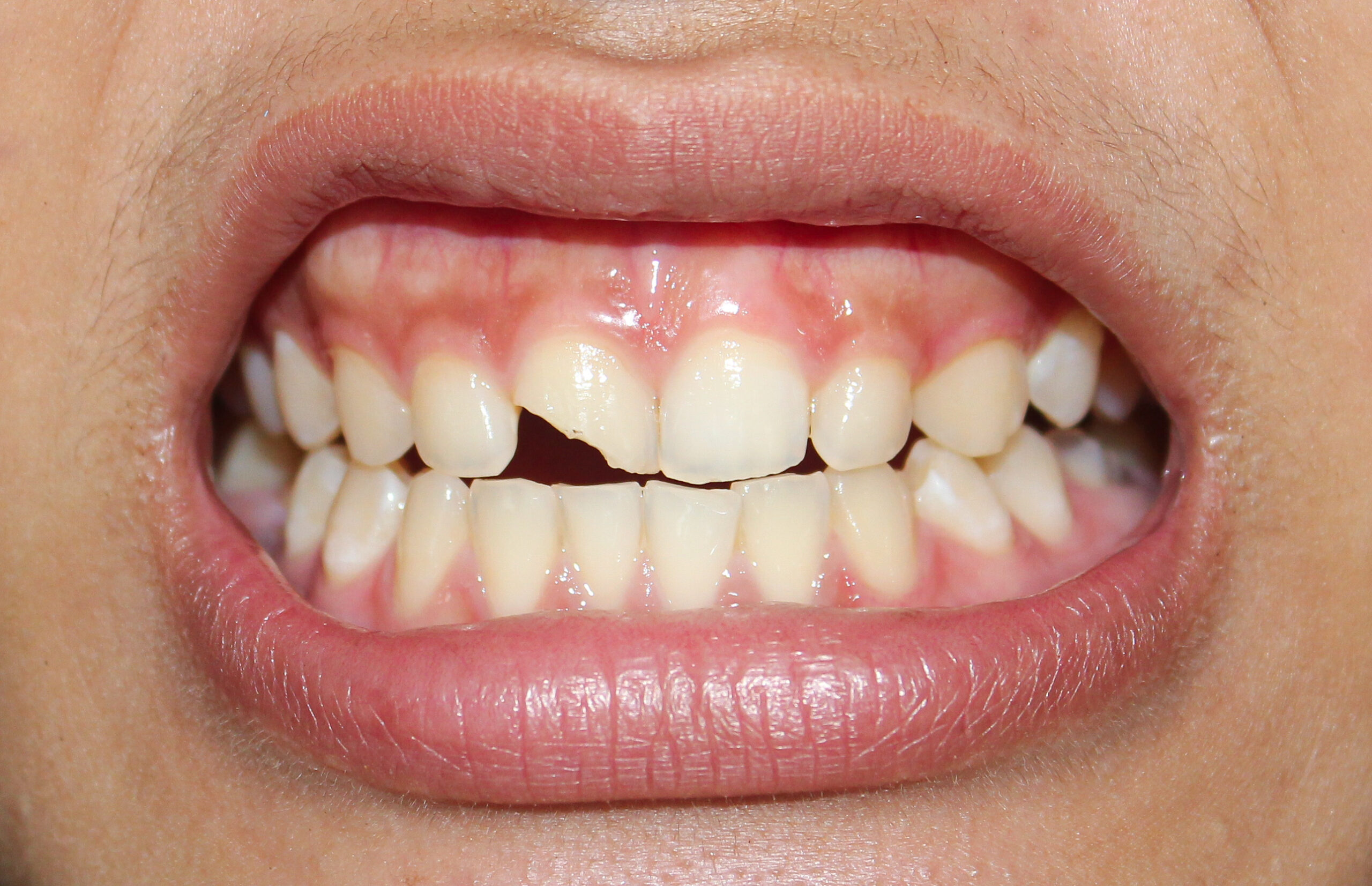 When a tooth experiences trauma from an accident, sports injury, or sudden impact, the immediate pain often signals just the beginning of a potential cascade of complications. Left untreated, dental trauma can progress silently over months or years, compromising not only the affected tooth but also surrounding structures, ultimately threatening the preservation of your natural teeth.
At Burien Endodontics, we understand the urgency of dental injuries and provide same-day emergency appointments to evaluate trauma cases promptly. Using advanced diagnostic imaging and CBCT scans, we can identify both visible damage and internal complications that may not become apparent until significant deterioration has occurred, allowing us to develop a discussion of treatment options tailored to your specific injury.
How Untreated Dental Trauma Can Impact Your Long-Term Health
The consequences of ignoring dental trauma extend far beyond temporary discomfort. Understanding the following potential complications can help you make informed decisions about seeking timely treatment and protecting your oral health for years to come:
Deterioration of Tooth Vitality
The internal structures of your tooth are remarkably vulnerable to traumatic forces. When impact occurs, the delicate network of nerves and blood vessels within the pulp can become damaged or severed, even when the tooth appears intact from the outside. This disruption to the tooth’s blood supply initiates a process where the pulp tissue begins to deteriorate.
Without proper intervention, this internal damage progresses through several stages. The pulp may initially become inflamed, causing sensitivity to temperature changes and pressure. As inflammation worsens, the tissue can die completely, creating an environment where bacteria thrive. This bacterial colonization leads to infection within the tooth structure itself, eventually extending beyond the root tip into the surrounding bone.
The timeline for these complications varies considerably. Some traumatized teeth show symptoms within days, while others may remain asymptomatic for years before problems surface. This unpredictability makes professional evaluation critical, as early intervention with root canal therapy may prevent the need for more extensive procedures later.
Bone Loss and Root Resorption
One particularly concerning long-term consequence of untreated dental trauma involves the gradual destruction of bone and root structure. When infection spreads from the tooth into the surrounding bone, your body’s immune response attempts to isolate the problem by breaking down the infected tissue. Unfortunately, this protective mechanism also destroys healthy bone in the process.
Root resorption is another serious complication in which the body begins to dissolve the tooth’s root structure. This can occur internally, weakening the tooth from within, or externally, where bone cells attack the root surface. Both types of resorption compromise the tooth’s structural integrity and may progress to the point where we can no longer save the tooth.
Advanced diagnostic technology allows us to detect these changes early. Our CBCT scanning capabilities provide three-dimensional imaging of both hard and soft tissues, revealing bone loss and resorption that traditional X-rays might miss.
When an initial root canal does not fully resolve the underlying infection from a traumatic injury, reinfection can trigger a second wave of bone loss around the root tip. In these situations, endodontic retreatment gives us a way to clean out the recurring infection and give the surrounding bone another opportunity to heal, rather than moving directly to extraction.
Damage to Adjacent Teeth and Jaw Structure
The effects of untreated dental trauma rarely remain isolated to a single tooth. When a damaged tooth develops chronic infection, the bacteria and inflammatory chemicals can migrate to neighboring teeth, gums, and bone. Cracked teeth pose additional challenges, as trauma-induced fractures create pathways for bacteria to penetrate deep into the tooth structure.
Recognizing the following signs of progressing dental trauma can help you seek timely care:
- Persistent sensitivity to hot or cold temperatures that lasts beyond a few seconds
- Discoloration or darkening of the traumatized tooth over time
- Swelling or tenderness in the gums surrounding the affected tooth
- Pain when biting down or applying pressure to the tooth
- Development of a pimple-like bump on the gums near the tooth root
Jaw structure can also deteriorate when a traumatized tooth goes untreated. The bone that supports your teeth relies on stimulation from the tooth roots to maintain its density and volume. When a tooth becomes nonfunctional due to trauma, the surrounding bone gradually resorbs, resulting in a depression or defect in the jaw.
The Emotional and Social Impact of Untreated Dental Trauma
The consequences of dental trauma are not only physical. A study published in Contemporary Clinical Dentistry examined how traumatic dental injuries affected schoolchildren’s daily lives and found that untreated injuries were associated with a greater negative impact on emotional, social, and functional well-being than treated injuries were, including reluctance to smile or laugh and increased self-consciousness about appearance.
Adults experience similar concerns. A visibly discolored or fractured front tooth can affect confidence in everyday interactions, while ongoing pain or sensitivity can make eating, speaking, and concentrating more difficult. Addressing dental trauma promptly protects more than the tooth itself, and it supports your day-to-day comfort and confidence as well.
Preventing Dental Trauma and Protecting Your Smile
While not all dental injuries are avoidable, several precautions can lower your risk. Wearing a properly fitted mouthguard during contact sports or other high-impact activities protects your teeth from the kind of sudden force that causes fractures, luxation, or avulsion. Avoiding the use of your teeth to open packaging, hold objects, or bite down on ice can also reduce the chance of an unexpected fracture.
If an injury does occur, what happens in the minutes afterward matters. Our guide to what to do in the first 30 minutes of a dental emergency covers the immediate steps that give a traumatized tooth the best chance at a favorable long-term outcome, including how to handle a knocked-out tooth before you can reach our office.
Why Immediate Evaluation Matters
The window of opportunity for preserving a traumatized tooth often closes quickly. Certain types of trauma, particularly when teeth are displaced or completely knocked out, require intervention within hours for the best possible outcome.
Our practice provides emergency endodontic care with same-day appointments available for dental injuries. During your initial visit, we perform a localized evaluation using digital radiography and advanced diagnostic tools to assess the extent of damage. In some cases, early intervention with laser disinfection and inflammation reduction may prevent the need for root canal therapy altogether. When damage is more extensive, we also walk you through how we determine whether a damaged tooth can still be saved before recommending a path forward.
Preserve Your Natural Teeth with Burien Endodontics
Your natural teeth are irreplaceable, and we focus our efforts on preserving them whenever possible through advanced endodontic techniques. Dr. Matthew Tomala holds a Master of Science in Dentistry and a Certificate in Endodontics from the University of Washington and brings more than 14 years of experience to every trauma evaluation. He combines that training with cutting-edge technology, including CBCT scanning, dental microscopes, and laser treatment, to provide the comprehensive care you deserve.
When dental trauma occurs, time is critical. Contact our office today to schedule an evaluation. We maintain 100% digital patient records for efficient care coordination and provide thorough communication throughout your treatment. Whether you need immediate attention for a dental emergency or consultation about a previous injury, our team is here to help you maintain your oral health and alleviate any concerns about the long-term effects of dental trauma.
Frequently Asked Questions About Untreated Dental Trauma
How long can a tooth go without treatment after trauma before permanent damage occurs?
There is no single safe window, since it depends on the type and severity of the injury. Some traumatized teeth show pulp damage within days, while others remain symptom free for months or years before complications surface. Because the damage can progress silently, we recommend a prompt evaluation after any significant impact rather than waiting for pain or visible changes to appear.
Can a tooth still be saved years after a traumatic injury?
In many cases, yes. Even when trauma occurred years earlier, root canal therapy or retreatment can often address infection and resorption that developed over time. The right approach depends on how much of the tooth structure and surrounding bone remain healthy, which we assess with CBCT imaging and a clinical examination before recommending a treatment plan.
What are the warning signs that a traumatized tooth needs treatment?
Common warning signs include lingering sensitivity to hot or cold, gradual discoloration or darkening of the tooth, tenderness or swelling in the surrounding gums, and pain when biting down. A small pimple-like bump on the gums near the tooth root can also indicate an infection that needs attention. Any of these signs following a past injury warrants an evaluation.
Does a knocked-out or displaced tooth always need a root canal?
Not always, but it is common. A knocked-out or significantly displaced tooth usually experiences damage to its internal blood supply, which can lead to pulp death even if the tooth is repositioned successfully. We monitor these teeth closely after initial treatment and recommend root canal therapy if signs of infection or nonvitality develop.
Can untreated dental trauma affect more than just the injured tooth?
Yes. Infection from an untreated traumatized tooth can spread to neighboring teeth, gums, and the surrounding jawbone, and the bone can lose density when a nonfunctional tooth no longer stimulates it. Research has also linked untreated dental trauma to reduced quality of life, including effects on comfort, confidence, and daily functioning, which is part of why timely care matters.
About the Author
Dr. Matthew Tomala is the provider at Burien Endodontics, where his practice is focused entirely on endodontic treatment, including root canal therapy, retreatment, and dental trauma assessment. He holds a Master of Science in Dentistry and a Certificate in Endodontics from the University of Washington and uses CBCT imaging, dental operating microscopes, and laser-assisted disinfection for patients across Burien, SeaTac, and greater South King County. Read full bio